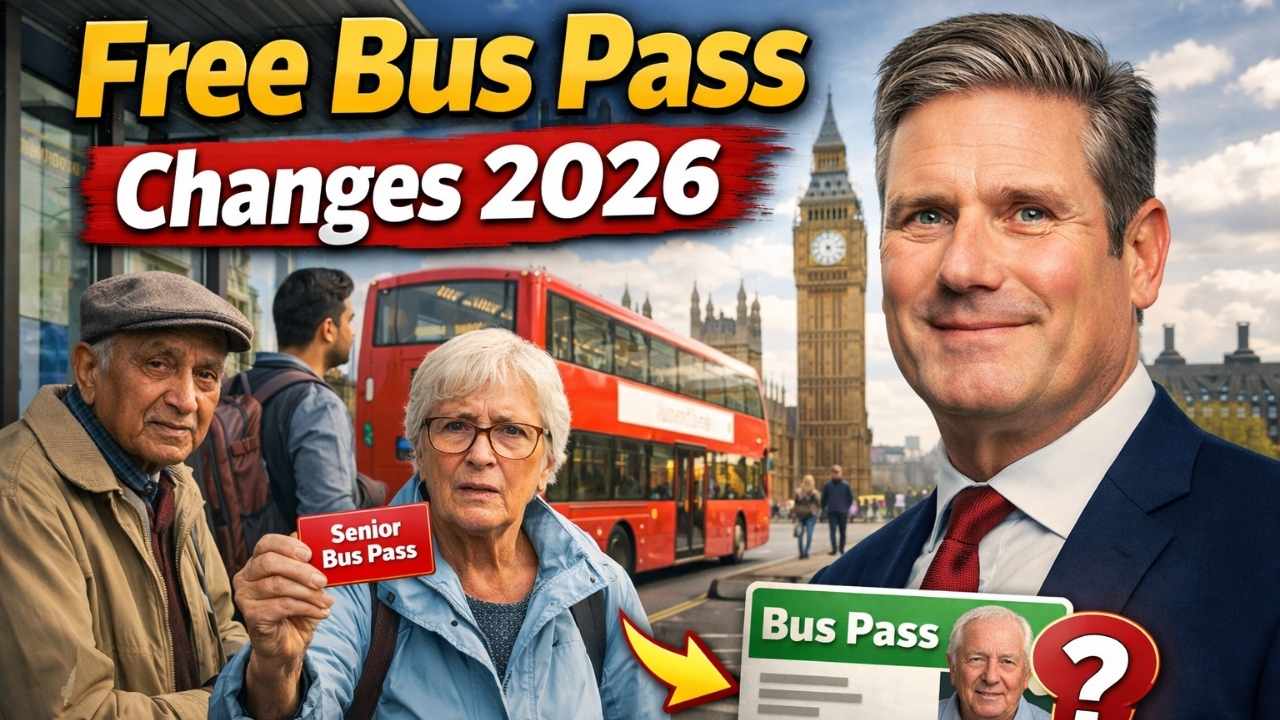
Free Bus Pass Changes 2026: Free bus travel has become an important support system for millions of people who depend on public transportation every day. For older adults, people with disabilities, and individuals on limited income, the free bus pass program helps reduce travel costs while keeping communities connected. In 2026, several updates and discussions around eligibility and access have started to gain attention, leading many current pass holders to question whether they will continue to qualify.
Local authorities and transport departments are reviewing the program to ensure it remains financially sustainable while still supporting those who rely on it the most. These adjustments are not meant to remove benefits entirely but rather to clarify eligibility, improve verification systems, and adapt to rising public transport costs. Understanding the latest updates can help travelers avoid confusion and make sure they continue receiving the support they are entitled to.
New Eligibility Criteria Under Review
Authorities in several regions are reviewing the eligibility framework for free bus passes in 2026. Traditionally, the benefit has been available to individuals above a certain age or those living with specific disabilities. While these groups will continue to remain the core beneficiaries, some governments are assessing whether the qualifying age should gradually align with pension eligibility ages.
This review is being conducted mainly to balance public transport budgets while keeping benefits accessible to those who truly rely on them. Officials have emphasized that existing pass holders are unlikely to lose benefits immediately. Instead, new applicants may notice small changes in documentation requirements or eligibility thresholds.
Age Limits May Shift Gradually
One topic gaining attention in 2026 is the possible adjustment of age requirements for new applicants. In some areas, the free bus pass age may move closer to the state pension age rather than a fixed age like sixty. This change is not being implemented everywhere, but discussions are underway in several transport authorities.
For many current pass holders, these changes will not affect existing benefits. The adjustments are mainly focused on future applicants to ensure the program can remain financially viable. Authorities believe gradual alignment with pension eligibility could help maintain the program long term without cutting support completely.
Local Authorities Adjust Travel Rules
Different regions manage their bus pass schemes slightly differently, and in 2026 some local councils are reviewing travel time restrictions. In many places, free travel remains valid during off peak hours, typically starting mid morning and continuing through the evening.

However, certain councils are evaluating whether these hours should remain the same or shift slightly to reduce congestion during peak commuting times. These changes are usually made at the local level, meaning the exact travel conditions may vary depending on where the pass holder lives.
Digital Pass Systems Expanding
Another major change expected in 2026 is the wider adoption of digital verification systems for bus passes. Many transport authorities are introducing smart cards or mobile based passes that can be easily scanned on buses and transport networks.
This move aims to reduce fraud, simplify renewals, and make travel more convenient. Digital systems can also help authorities track usage patterns, allowing them to improve route planning and allocate resources more efficiently. While physical passes will still exist for many users, digital options are becoming increasingly common.
Renewals Becoming More Streamlined
The renewal process for free bus passes is also becoming simpler in many areas. Authorities are working to create automated renewal systems that reduce paperwork and waiting times. In some regions, pass holders may receive reminders before their pass expires, along with easy online renewal options.
For individuals who prefer traditional methods, postal or in person renewal options will still remain available. The goal is to make the process smoother while ensuring that eligibility checks remain accurate and fair.
Support For Disabled Travelers Continues
People with disabilities remain one of the most protected groups under the free bus pass program. In 2026, transport authorities have reaffirmed that disability related passes will continue to be a priority within public transport support programs.
In fact, some regions are reviewing ways to expand accessibility features, including priority seating improvements, better audio announcements, and improved ramp systems on buses. These changes aim to ensure that free travel benefits not only remain available but also become easier to use for those who rely on them daily.

Financial Pressure Behind Policy Changes
Public transport networks across many countries are facing rising operational costs, including fuel prices, maintenance expenses, and infrastructure upgrades. Because of these pressures, governments are reassessing subsidy programs like free bus passes to ensure they remain sustainable.
Rather than removing benefits entirely, policymakers are focusing on adjustments that maintain support while managing long term budgets. This includes reviewing eligibility criteria, introducing digital systems, and improving administrative efficiency.
How New Applicants Should Prepare
People planning to apply for a free bus pass in 2026 should stay informed about local authority requirements. While most rules remain similar to previous years, documentation checks may become slightly stricter. Applicants may need proof of age, residency, or disability depending on the category they apply under.
Keeping identification documents updated and checking official transport websites regularly can help applicants avoid delays. Many councils now provide clear guidance online, allowing individuals to understand the process before submitting their applications.
Travel Benefits Beyond Bus Services
Some regions are also exploring additional transport benefits linked to the bus pass program. These may include discounted rail travel, community transport access, or shared mobility options for rural areas where traditional bus services are limited.
Although these extra benefits are still under discussion in many places, the goal is to create a broader mobility support system rather than limiting assistance strictly to buses. This approach could improve travel flexibility for older adults and individuals who rely heavily on public transportation.
Why The Program Still Matters
Despite ongoing discussions about policy adjustments, the free bus pass program remains one of the most valued public transport benefits. For many people, it provides independence, social connection, and the ability to travel without financial stress.

Healthcare appointments, grocery shopping, visiting family, and attending community events all become easier when transportation costs are reduced. Governments recognize that these benefits extend beyond mobility and play an important role in supporting overall wellbeing.
Conclusion
The free bus pass program in 2026 is evolving rather than disappearing. While some eligibility rules and administrative processes may be updated, the core purpose of the program remains the same: helping those who depend on public transport maintain affordable mobility.
For current pass holders, most benefits are expected to remain stable. For new applicants, small adjustments in eligibility and application procedures may appear, but the opportunity to qualify will still exist. Staying informed about local rules and renewal requirements will ensure travelers continue to enjoy the advantages of this important public transport support system.